Health care students build knowledge, practice hands-on skills, learn patient communication, and prepare for team-based clinical environments. Here are five things to know before starting your path in health care.

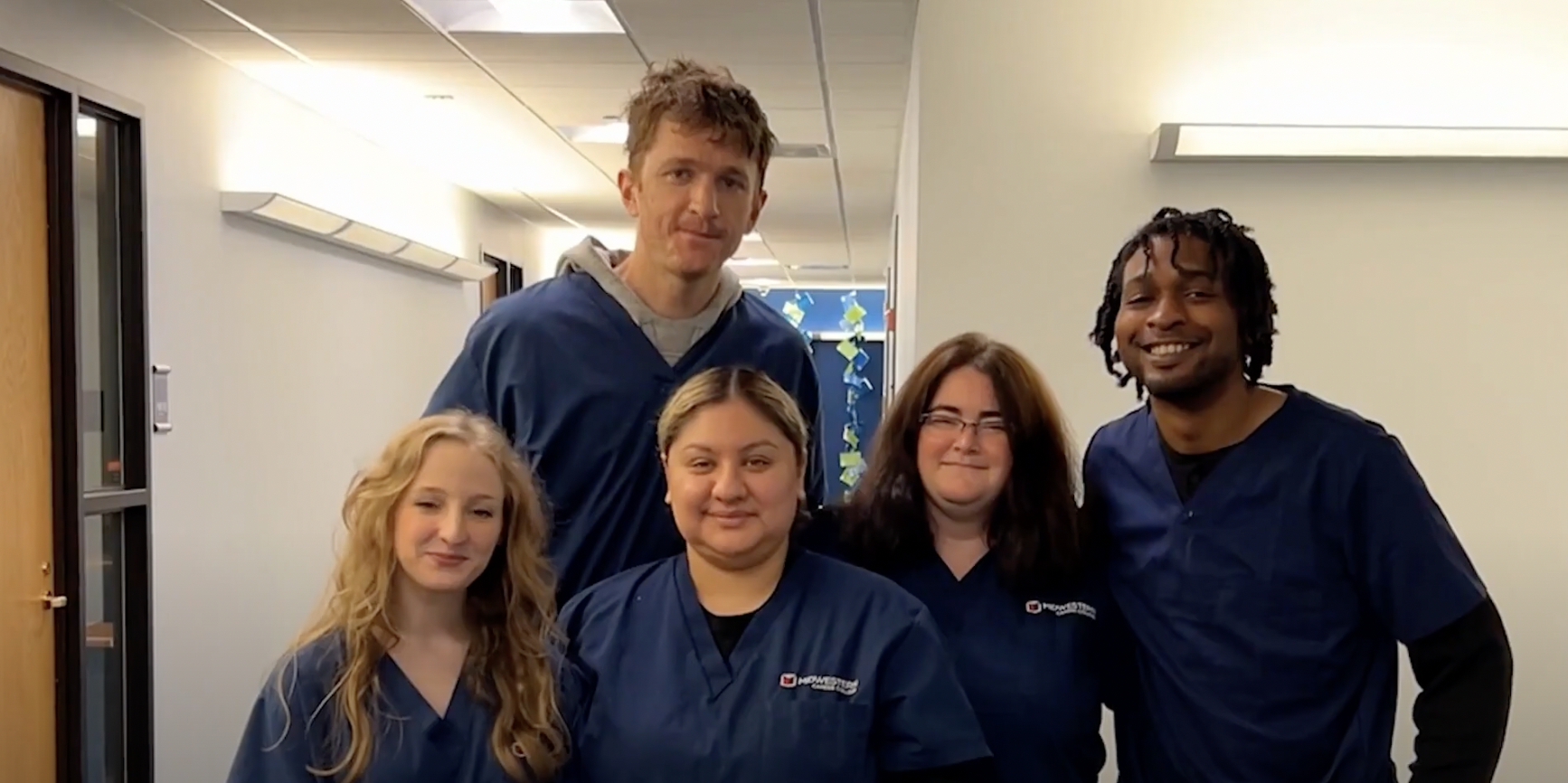
MCC students at our main campus at 203 North LaSalle
Photo Credit: MCC Team
If you’re considering a career in health care, you may be wondering what the student experience is really like. Health care education often combines classroom learning, hands-on practice, communication skills, and professional preparation. Students learn how to support patients, collaborate with others, and build the foundation for future roles in clinical and allied health settings.
Health care students study foundational topics such as anatomy, physiology, medical terminology, and patient care concepts. This knowledge helps students understand how body systems work together and why accurate observation, communication, and documentation matter in clinical settings.
Many health care programs include lab practice, simulations, clinical preparation, or externship-style experiences. These opportunities help students connect classroom learning with the skills used in patient care environments.
Health care students learn how to communicate clearly with patients, families, instructors, classmates, and members of a care team. Strong communication helps support patient safety, trust, and professionalism.
Students preparing for health care careers often learn how different roles work together, from nurses and medical assistants to imaging technologists, surgical technologists, and other allied health professionals. Understanding teamwork helps students prepare for real clinical environments.
Health care education can open the door to many different career directions, including patient care, diagnostic imaging, surgical support, medical assisting, nursing, and other allied health roles. Students can explore programs that align with their interests, strengths, and long-term goals.
Health care students often study topics such as anatomy, physiology, medical terminology, patient care, communication, safety, and professional practices used in clinical environments.
Many health care programs include hands-on learning through labs, simulations, clinical preparation, or externship-style experiences, depending on the program.
Communication helps health care professionals explain information clearly, work with patients and families, document accurately, and collaborate with other members of a care team.
Students may explore pathways in areas such as medical assisting, diagnostic imaging, nursing, surgical technology, and other allied health fields.
If you are interested in helping people, learning practical skills, and preparing for work in clinical or patient care settings, health care training may be a strong fit. Exploring different health care programs can help you understand which path best matches your goals.
Originally published May 16, 2023. Updated June 8, 2026.
#CareerCollegeLife #EducationAbroad #F1Status #HealthcareCareer #InternationalEducation #StudentLife #StudentVisas #StudyAbroad AccreditedProgram associate's degrees CAAHEP CareerCollege Diagnostic Medical Imaging Radiography Diagnostic Medicall Imaging Radiography Program DMIR EEG program eeg tech electroneurodiagnostic (end) technology F-1 Visa Info healthcare careers HealthcareCareers HealthcareEducation HealthcareTraining HomePagePosts information technology International MedicalCareer MedicalTechnology MRI MRI Program mri tech News OperatingRoom operating room programs radiography Radiography Program sterile processing Student Success Surgery SurgicalExcellence surgical instruments SurgicalTechnology surgical technology SurgTech