Phlebotomy Technician Training: Skills, Duties & Career Path | MCC

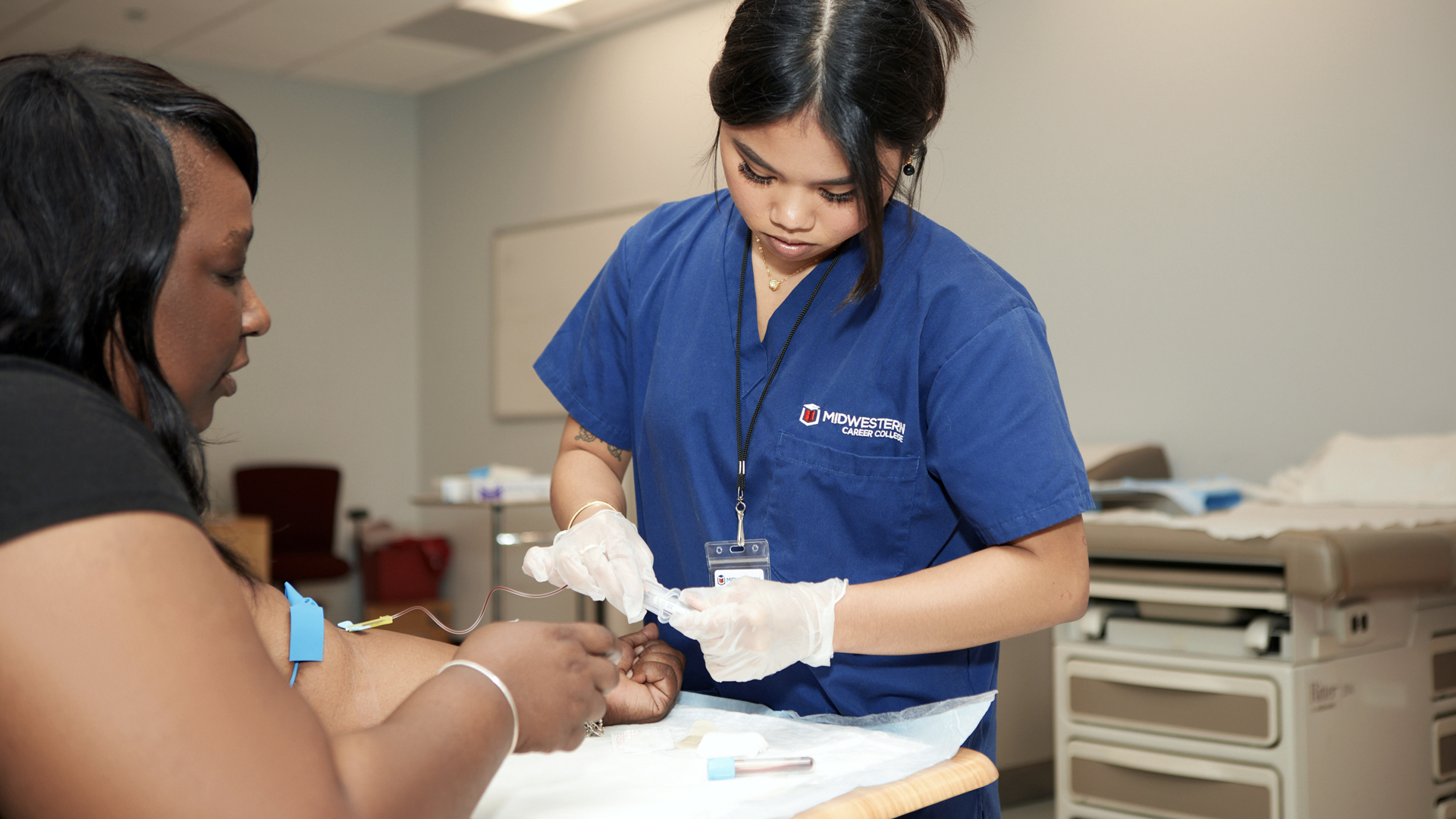
MCC phlebotomy technician student drawing blood their lab. Photo Credit: MCC Team

Exploring the Phlebotomy Technician Program

What Do You Learn in a Phlebotomy Technician Program?

Phlebotomy may look simple from the outside: a patient sits down, a healthcare professional draws blood, and the sample goes to a laboratory. In practice, successful blood collection depends on technical skill, careful identification and specimen handling, infection-control procedures, and the ability to communicate effectively with patients.

A Phlebotomy Technician program prepares students for this specialized role in healthcare by building the technical, safety, and patient-care skills required for blood collection. Training typically includes venipuncture, specimen handling, infection control, patient identification, and communication practices that support accurate and efficient collection procedures.

What Does a Phlebotomy Technician Do?

Phlebotomy technicians collect blood from patients for purposes such as laboratory testing, blood donation, transfusion, and medical research. Although drawing blood is the most visible part of the job, the work involves much more than inserting a needle.

Phlebotomists must confirm patient information, select appropriate collection materials, follow proper blood-draw procedures, label specimens accurately, help protect specimen integrity, and follow infection-control and safety protocols. Their work is an important early step in the process that allows laboratories and healthcare providers to obtain reliable diagnostic information.

What Skills Do Students Learn in Phlebotomy Training?

Phlebotomy training combines technical knowledge with hands-on skill development. Students learn venipuncture techniques and other procedures associated with obtaining blood specimens while also learning the practices that surround a successful collection.

These skills can include preparing patients for blood collection, identifying appropriate collection sites and equipment, following the correct order and procedures for specimen collection, labeling and handling specimens, applying infection-control practices, and maintaining a safe working environment.

Repeated practice is particularly important in phlebotomy. Knowing the steps of a procedure is different from developing the coordination, consistency, and attention to detail needed to perform it effectively with real patients.

Why Patient Communication Matters in Phlebotomy

Technical ability is only part of a phlebotomist’s work. Blood draws can make some patients nervous, and others may have had difficult experiences with needles or previous blood collections.

Phlebotomy technicians therefore need to communicate clearly, explain what will happen, listen to patients, and remain calm throughout the procedure. These interpersonal skills can make the collection process easier for both the patient and the technician.

Learning how to combine technical precision with patient-centered communication is one reason phlebotomy can be a good entry point for people interested in direct patient care.

Where Do Phlebotomy Technicians Work?

Phlebotomy technicians work throughout the healthcare system. Depending on the employer and position, they may work in hospitals, medical and diagnostic laboratories, physician offices, outpatient facilities, blood donation centers, or other healthcare environments where blood specimens are collected.

Frequently Asked Questions About Phlebotomy Training

How long does phlebotomy technician training take?

Program length varies by school and curriculum. Phlebotomy technician training is generally designed as a focused, short-term healthcare program that prepares students in blood collection, specimen handling, patient interaction, and related safety procedures.

What does a phlebotomy technician learn?

Phlebotomy students learn blood-collection techniques such as venipuncture along with patient identification, specimen labeling and handling, infection-control practices, safety procedures, and communication skills used when working directly with patients.

Where do phlebotomy technicians work?

Phlebotomy technicians may work in hospitals, medical and diagnostic laboratories, physician offices, outpatient facilities, blood donation centers, and other healthcare settings where blood specimens are collected.

Is phlebotomy a good way to enter healthcare?

Phlebotomy can provide a comparatively focused route into a patient-facing healthcare role. It also gives technicians experience with clinical procedures, patient communication, safety protocols, specimen handling, and healthcare workflows.

Do phlebotomy technicians work directly with patients?

Yes. Phlebotomy technicians regularly interact with patients while preparing them for blood collection, explaining procedures, performing blood draws, and helping patients remain comfortable throughout the process.

Is Phlebotomy a Good Way to Enter Healthcare?

For someone interested in healthcare who does not want to begin with a multi-year educational program, phlebotomy offers a comparatively focused path into a patient-facing healthcare role.

Phlebotomy also provides exposure to several important dimensions of healthcare work at once: clinical procedures, patient communication, safety protocols, specimen handling, documentation, and collaboration with other healthcare professionals.

Some phlebotomy technicians choose to develop their expertise within the occupation, while others later pursue additional education for different healthcare careers. Additional occupations generally require their own education, credentials, licenses, or certifications, so phlebotomy training should not be considered automatic qualification for another healthcare profession. However, experience working with patients and within healthcare environments can provide valuable perspective for someone considering further education.

What Makes Phlebotomy an Important Healthcare Role?

A blood specimen may be small, but the information obtained from it can help healthcare professionals evaluate a patient’s health, investigate symptoms, monitor treatment, and make clinical decisions.

That makes accuracy important at every stage of the collection process. Correctly identifying the patient, collecting the appropriate specimen, labeling it accurately, and handling it properly all help support reliable laboratory testing.

For phlebotomy technicians, the work combines a highly practical clinical skill with direct interaction with patients—and provides an opportunity to contribute to healthcare one carefully collected specimen at a time.

Explore Phlebotomy Technician Training at MCC

Midwestern Career College’s eight-week Phlebotomy Technician Program provides focused training for students interested in developing blood-collection and related patient-care skills.

Request information to learn more about the program, upcoming start dates, and the admissions process.

request information

Accessibility Toolbar

Midwestern Career College
Privacy Overview

This website uses cookies so that we can provide you with the best user experience possible. Cookie information is stored in your browser and performs functions such as recognizing you when you return to our website and helping our team to understand which sections of the website you find most interesting and useful.